
All About Australian Manuka
Discover the unique power of Australian Manuka honey, nature's golden medicine from the Leptospermum forests
What is Manuka Honey?
Manuka honey is a type of monofloral honey produced by bees that forage on the nectar of Leptospermum trees, native to Australia and New Zealand. Unlike regular honey, Manuka contains exceptionally high levels of Methylglyoxal (MGO), a naturally occurring compound that gives it powerful antibacterial, anti-inflammatory, and antimicrobial properties.
What makes Manuka truly special is its non-peroxide activity. While most honey derives its antibacterial properties from hydrogen peroxide, Manuka honey's MGO content provides additional healing power that remains stable even when exposed to heat, light, or dilution in the body.
The Australian Advantage
Australia is home to over 80 species of Leptospermum plants, compared to just one species in New Zealand. This incredible biodiversity means Australian Manuka honey often matches or exceeds the MGO potency of its New Zealand counterpart. The diverse flowering seasons across Australia's varied climates also allow for year-round harvesting, ensuring consistent supply and exceptional quality.
Our Australian Manuka honey is harvested from pristine, remote bushland areas where bees forage on wild Leptospermum flowers, free from agricultural chemicals and pollutants. This pure, raw honey is minimally processed to preserve all its natural enzymes, nutrients, and healing properties.
Understanding MGO Ratings
MGO stands for Methylglyoxal, the powerful naturally occurring compound that gives Manuka honey its exceptional antibacterial strength. Unlike regular honey, which relies on hydrogen peroxide for its activity, MGO remains stable and effective even inside the body or when exposed to heat.
The MGO rating tells you exactly how much Methylglyoxal is present in the honey, measured in milligrams per kilogram (mg/kg). The higher the number, the more potent the honey's healing power. Every batch of authentic Manuka honey is independently tested in certified laboratories to verify its MGO content, so what you see on the label is exactly what nature put in the jar.
MGO Strength Guide
100+ MGO: Everyday Wellness
Gentle and nourishing, perfect for daily immune support, general wellness, and as a natural sweetener. Ideal for adding to tea, smoothies, or enjoying by the spoonful each morning.
250+ MGO: Active Support
A step up in therapeutic strength. Excellent for soothing sore throats, supporting digestive health, fighting seasonal colds, and maintaining wellness during times of stress or increased exposure to illness.
500+ MGO: High Potency
Powerful therapeutic grade honey. Perfect for topical application on minor wounds, burns, and skin infections. Also beneficial for stronger immune support and addressing more persistent digestive issues.
750+ MGO: Maximum Strength
Pure, wild strength for advanced healing needs. Used for serious wellness rituals, chronic wound care, stubborn infections, and intensive therapeutic applications. This is as potent as Manuka honey gets.
MGO vs UMF: What's the Difference?
You may have seen both MGO and UMF ratings on Manuka honey. Here's what you need to know:
MGO (Methylglyoxal) is a direct measurement of the active compound in mg/kg. It's straightforward and scientifically precise.
UMF (Unique Manuka Factor) is a trademarked grading system developed in New Zealand that measures multiple markers including MGO, DHA, and leptosperin. It's a broader quality indicator but only applies to New Zealand Manuka honey.
Both systems are valid. Australian producers typically use MGO ratings as they provide a clear, direct measurement of antibacterial potency. The approximate conversion is: UMF 5+ = 100 MGO, UMF 10+ = 250 MGO, UMF 15+ = 500 MGO, UMF 20+ = 750 MGO.
The Science Behind Manuka
Laboratory Testing & Quality Assurance
Every batch of authentic Manuka honey undergoes rigorous independent laboratory testing to verify its MGO content and purity. The most common and reliable method is High-Performance Liquid Chromatography (HPLC), a sophisticated analytical technique that precisely quantifies the Methylglyoxal levels.
This testing ensures that what's printed on the label matches what's inside the jar. It also screens for adulterants and confirms the honey's authenticity. When you purchase tested Manuka honey, you're getting a product that meets strict quality standards recognized worldwide.
How Manuka Honey Works
The secret to Manuka honey's exceptional healing properties lies in its unique chemical composition:
Methylglyoxal (MGO)
This compound is formed naturally as the honey matures. MGO disrupts bacterial cell walls and biofilms, making it effective against even antibiotic-resistant bacteria like MRSA and Staphylococcus aureus.
Non-Peroxide Activity (NPA)
Unlike the hydrogen peroxide in regular honey (which breaks down quickly), Manuka's antibacterial activity remains stable in the body, making it effective when consumed or applied to wounds.
Natural Enzymes & Nutrients
Raw Manuka honey contains natural enzymes, amino acids, vitamins, and minerals that work synergistically with MGO to support healing and overall health.
Hw to Use Manuka Honey
Daily Wellness Routine
- Take 1-2 teaspoons daily on an empty stomach.
- Add to warm (not hot) tea, smoothies, or yogurt
- Spread on toast or drizzle over oatmeal for a nutritious breakfast
- Use as a natural pre-workout
Frequently Asked Questions
Is Australian Manuka honey as good as New Zealand Manuka honey?
Yes, and in many cases scientifically superior. Australia's 80+ Leptospermum species allow for year-round flowering and produce honey that often matches or exceeds New Zealand Manuka in MGO potency. Australian Manuka undergoes the same rigorous testing standards and is harvested from pristine, remote bushland areas free from agricultural chemicals.
Why does Manuka honey cost more than regular honey?
The higher cost reflects limited geographic availability of Leptospermum nectar, strict harvesting protocols, extensive laboratory testing, high therapeutic value, and small-batch artisan production methods. The higher the MGO content, the rarer and more potent the honey, which increases the price.
How should I store Manuka honey?
Store at room temperature in a cool, dry place away from direct sunlight. Do not refrigerate, as this can cause crystallization. Properly stored, Manuka honey has an indefinite shelf life. If it crystallizes, gently warm the jar in warm water to return it to liquid form.
Can I cook or bake with Manuka honey?
While you can use Manuka honey in cooking, high heat (above 40°C/104°F) may reduce its beneficial enzymes and MGO content. For maximum benefit, add it to foods after cooking or use it in no-bake recipes. For culinary purposes, save your high-MGO honey and use regular honey or lower-strength Manuka instead.
How can I tell if my Manuka honey is authentic?
Authentic Manuka honey will have independent laboratory test results showing its MGO level. Look for a batch number, harvest date, and certifications. The honey should be thick and creamy with a distinctive earthy, slightly bitter flavor. Purchase from reputable suppliers who provide full transparency about their testing and sourcing.
Experience the Power of Australian Manuka
Every jar of Bushranger Honey represents the pristine beauty of Australian bushland, the dedication of responsible beekeepers, and the incredible healing power of nature. Our Manuka honey is:
- Independently tested and certified for MGO content
- Raw and minimally processed to preserve all natural benefits
- Harvested from remote, pristine Leptospermum forests
- Free from additives, pesticides, and antibiotics
- Sustainably produced with respect for the environment
Australian Manuka honey offers unparalleled quality and potency.
Ready to experience the difference?
Explore our range of MGO-certified Australian Manuka honey
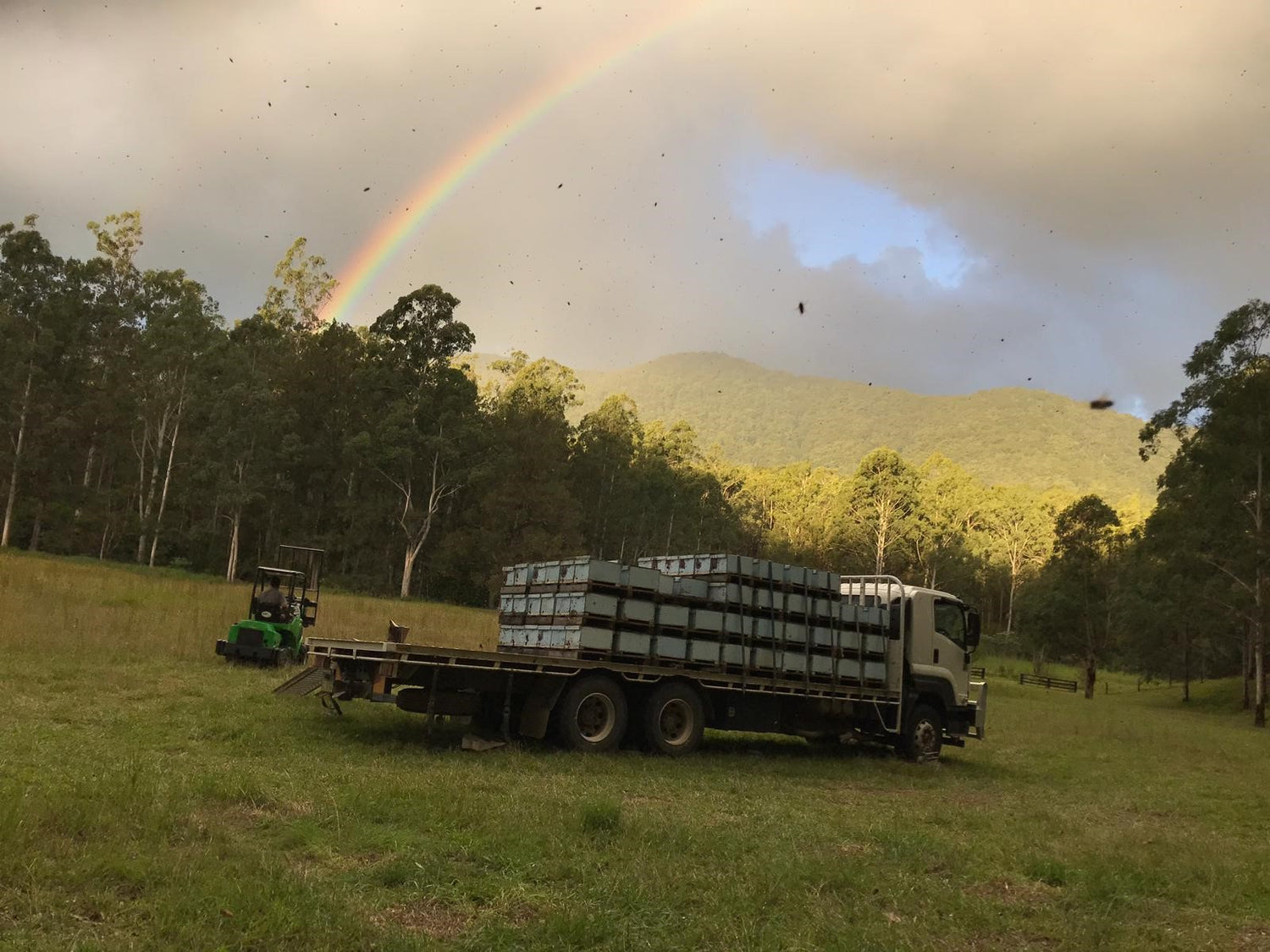
In The Wild
Our team are out in the wild following the flowering of the Manuka trees all over Eastern Seaboard of NSW. We particularly search out the most remote areas to retain the authentic "wild crafted" Australian honeys.
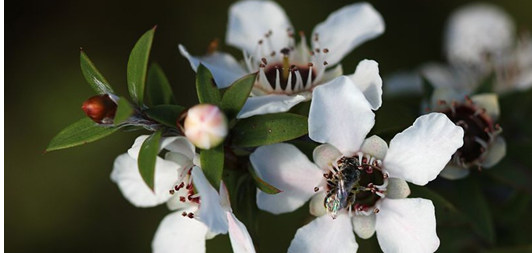
The Flowering
Australian populations of Leptospermum scoparium are shown to be chemically distinct from their New Zealand counterparts, with significantly higher levels of cinteole and monoterpines.
