You've heard about Manuka honey, perhaps even tried it. But understanding exactly what gives this honey its remarkable properties, and whether it's right for you, requires looking beyond the buzz. Here's what you need to know about this distinctive Australian native product and why it's earned its reputation in wellness circles and beyond.
What Makes Manuka Different?
Manuka honey comes from bees that pollinate the native Leptospermum scoparium bush, which flourishes in certain regions of Australia and New Zealand. Unlike regular honey, which derives its antibacterial properties mainly from hydrogen peroxide, Manuka contains a unique compound called methylglyoxal (MGO) that gives it extraordinary antimicrobial powers.
Think of MGO as Manuka's secret weapon. This naturally occurring compound is formed when dihydroxyacetone (DHA) from the Manuka flower nectar converts over time, creating the potent antibacterial properties that scientists have been researching extensively for over three decades.
The Science-Backed Benefits
Research has revealed impressive credentials for Manuka honey. Studies show it offers antibacterial, antiviral, anti-inflammatory and antioxidant benefits, making it far more than just a sweet addition to your morning toast.
The honey has demonstrated effectiveness in wound healing, promoting tissue regeneration and even decreasing pain in people recovering from burns. It's proven particularly valuable in combating antibiotic-resistant strains of bacteria, including MRSA, which is why medical-grade Manuka is used in hospitals worldwide.
For everyday wellness, research indicates Manuka honey can effectively inhibit harmful oral bacteria associated with plaque formation and gum inflammation. It's also brilliant for soothing sore throats and supporting digestive health, with studies suggesting it may be more effective than commonly used medications for relieving cough symptoms.
Understanding the Numbers
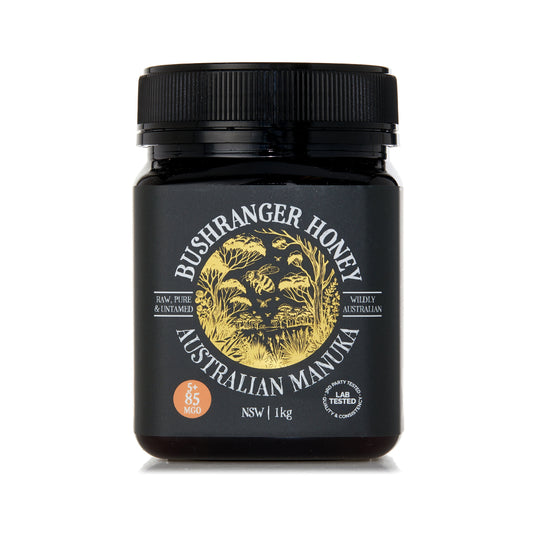
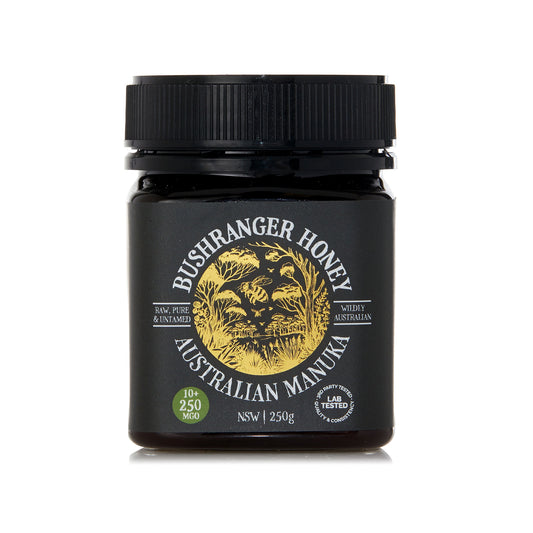
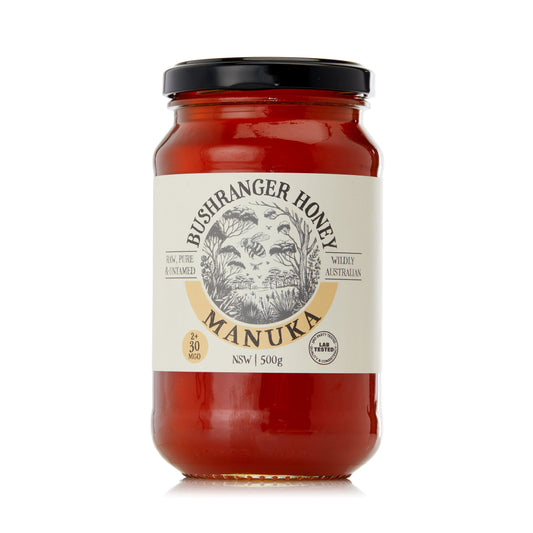
You'll notice Manuka honey labelled with ratings like MGO 250+ or UMF 10+. The MGO number indicates the concentration of methylglyoxal in milligrams per kilogram, essentially, the honey's antibacterial strength. The UMF (Unique Manuka Factor) system is more comprehensive, testing for methylglyoxal plus authenticity markers, freshness and shelf life.
For daily wellness support, lower-strength Manuka (MGO 100-250+) works beautifully. Higher strengths (MGO 400+) offer more intensive support when you need it most.
What Goes Into Every Jar?
Manuka's higher cost reflects genuine scarcity, the Manuka bush blooms for just a few weeks each year, and every batch must be independently tested and certified for quality. You're not just paying for honey; you're investing in a scientifically validated product with measurable therapeutic properties.
When you choose Bushranger Manuka honey, you're choosing a product backed by decades of scientific research and centuries of traditional use. From supporting your family's immune health during winter to having a natural remedy on hand for sore throats and minor wounds, the applications are as versatile as they are effective. The key is finding the right strength for your needs and starting with quality you can trust. Browse our range of independently certified Australian Manuka honey and experience the difference that genuine, locally sourced Manuka can make.